
Language Overview
Czech
Čeština
Czech is a West Slavic language spoken by over 13 million people, known for its complex grammar and lack of articles.
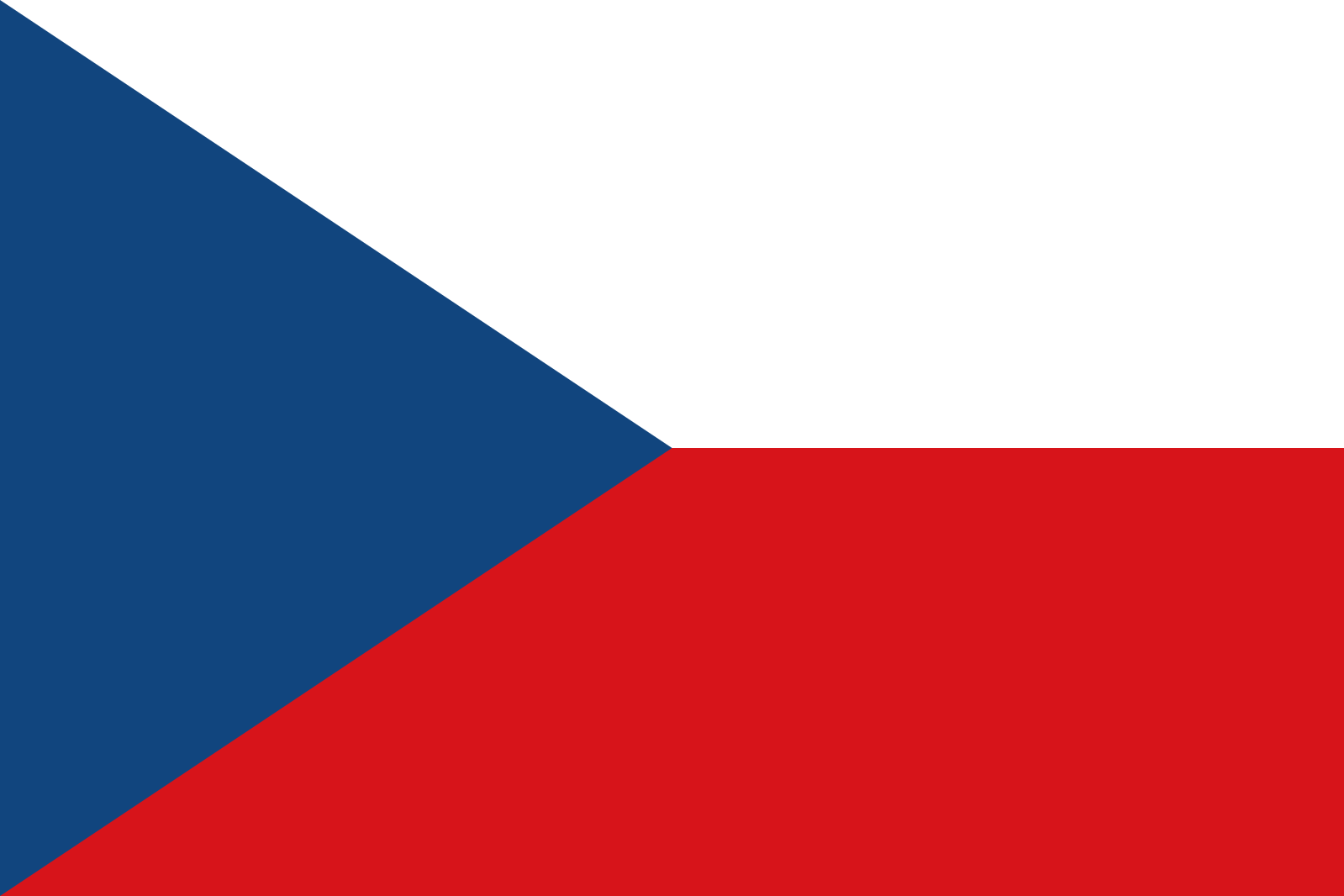
Overview
Czech is a West Slavic language spoken primarily in the Czech Republic. It is closely related to Slovak and Polish, and shares many features with other Slavic languages.
Alphabet
The Czech alphabet is based on the Latin script and contains 42 letters. It uses diacritics (hooks and accents) to modify sounds and indicate vowel length. While it looks similar to Polish, it is generally more phonetic.
1. The "Standard" Letters
These are pronounced similarly to their English counterparts.
| Letter | Pronunciation (English) | IPA | Example |
|---|---|---|---|
| A a | a as in father | [a] | auto |
| B b | b as in bat | [b] | bratr (brother) |
| D d | d as in dog | [d] | dům (house) |
| E e | e as in set | [ɛ] | expert |
| F f | f as in fat | [f] | fotbal |
| G g | g as in go | [ɡ] | gram |
| I i | i as in bit | [ɪ] | imunitu |
| K k | k as in kite | [k] | kluk (boy) |
| L l | l as in lamp | [l] | lampa |
| M m | m as in man | [m] | máma |
| N n | n as in no | [n] | nos (nose) |
| O o | o as in bore | [o] | oko (eye) |
| P p | p as in pet | [p] | pivo (beer) |
| S s | s as in set | [s] | snadno (easy) |
| T t | t as in tap | [t] | táta (dad) |
2. Letters with the Háček (The Hook)
The háček (ˇ) usually makes a sound "softer" or more like a "sh/ch" sound.
| Letter | Name | Pronunciation (English) | IPA |
|---|---|---|---|
| Č č | Čé | ch as in chip | [t͡ʃ] |
| Š š | Eš | sh as in shut | [ʃ] |
| Ž ž | Žet | s as in pleasure | [ʒ] |
| Ř ř | Eř | A rolled r and zh at the same time | [r̝] |
| Ň ň | Eň | ny as in canyon | [ɲ] |
| Ď ď | Ďé | dy as in dune (British pronunciation) | [ɟ] |
| Ť ť | Ťé | ty as in student (British pronunciation) | [c] |
3. Vowels and Length
Czech distinguishes between short and long vowels. A long vowel is held for about twice as long.
| Short | Long | Pronunciation (Long) |
|---|---|---|
| A | Á | ah (father) |
| E | É | eh (longer version of 'met') |
| I/Y | Í/Ý | ee (meet) |
| O | Ó | oh (sore) |
| U | Ú / Ů | oo (boot) |
Note: Ú is used at the beginning of words, while Ů is used in the middle or end.
4. The "False Friends" & Special Consonants
| Letter | Pronunciation (English) | IPA | Notes |
|---|---|---|---|
| C c | ts as in sits | [t͡s] | Never a "k" or "s" sound |
| H h | h as in house (voiced) | [ɦ] | Deeper than the English 'h' |
| CH ch | h as in hello (raspy) | [x] | Like Scottish 'loch' |
| J j | y as in yes | [j] | Never a "dzh" sound |
| R r | rolled r | [r] | Always trilled |
| V v | v as in van | [v] | Standard 'v' sound |
| Y y | i as in bit | [ɪ] | Sounds exactly like i |
5. Pro-Tips
The Legendary Ř
The letter ř is unique to Czech. Make a "zh" sound (like in pleasure) while simultaneously rolling their tongue for an "r." It takes practice!
Fixed Stress
Like Polish, Czech has fixed stress, but it's different: the stress is always on the first syllable.
Example: HO-pod-a, NA-shle-da-nou.
Consonant Clusters (The "Vowelless" Words)
Czech is famous for words that seem to have no vowels because r and l can act as vowels.
Famous tongue twister: Strč prst skrz krk (Stick a finger through your throat) has no traditional vowels!
The "Softening" Ě
The letter ě only appears after certain consonants and changes their sound. For example, mě sounds like "mnye."
Sound Features
Czech has a rich consonant system and distinctive vowel sounds. The language features palatalization and a unique sound represented by the letter ř.
Key Grammar Highlights
Czech grammar is characterized by:
- Seven grammatical cases
- No articles (unlike English)
- Complex verb conjugation
- Free word order due to case system
Related Languages
Czech is most closely related to Slovak, with which it was once considered a single language. It also shares similarities with Polish and other West Slavic languages.
Basic Phrases
- Hello: Ahoj / Dobrý den
- Thank you: Děkuji
- Yes: Ano
- No: Ne
- Please: Prosím
Resources
- Online dictionaries and learning materials
- Language exchange programs
- Czech media and literature